
Why Do Video Ads Outperform Static Images on Facebook?
Video ads generate 20-30% more conversions than static images at a similar or lower cost, according to Meta's internal performance data. The advantage comes from attention: video holds viewers 5x longer than static images in the feed, giving brands more time to communicate their value proposition and drive action.
A Facebook video ad is a moving-image ad unit (15-60 seconds) served across Feed, Reels, Stories, and in-stream placements. Meta's 2025 advertiser benchmarks rank video as the highest-converting format for ecommerce.
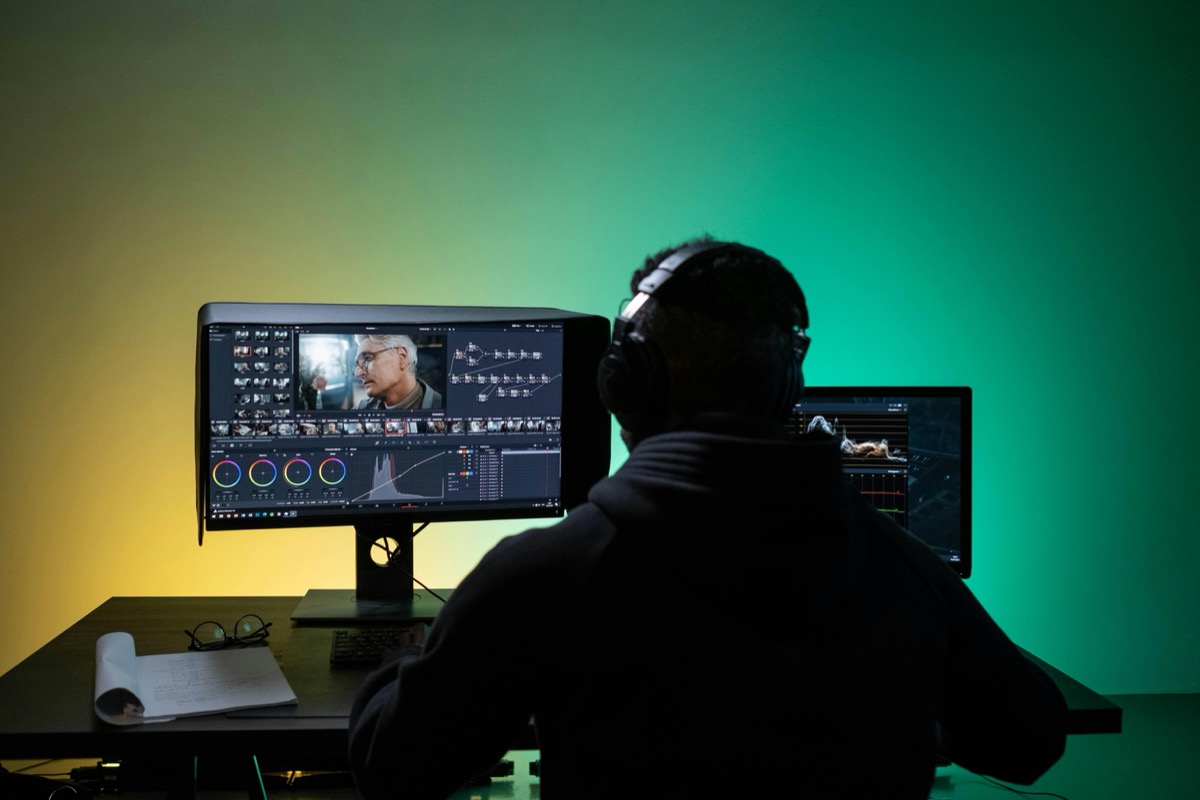
For Facebook ecommerce advertisers, video is no longer optional — it is the highest-performing format across the feed, Reels, and in-stream placements. Meta's Business blog regularly publishes data showing video's growing share of ad engagement and conversions across their platforms.
What Are the 5 Video Ad Formats That Convert Best?
UGC testimonials (15-30 seconds) are the single highest-converting video format for DTC ecommerce, delivering 2-3x higher CTR than branded video according to Meta's creative benchmarks. Product demos and founder stories round out the top three, with listicle and comparison formats excelling for cold prospecting audiences.
1. UGC Testimonial (15-30 seconds)
A real customer or creator talking directly to camera about your product. This is the single most effective video ad format for DTC ecommerce.
Structure:
- 0-3 seconds: Hook. "This product changed everything for me" or "I didn't believe the hype until..."
- 3-15 seconds: The story. Problem they had, how they found your product, what happened
- 15-25 seconds: The proof. Show the product in use, show results
- 25-30 seconds: CTA. "Link below" or product name + offer
Why it works: UGC feels native. The Facebook algorithm rewards content that looks organic. And real people are more persuasive than branded content — viewers trust them more. Research from Stackla (now Nosto) confirms that 79% of consumers say user-generated content highly impacts their purchasing decisions, making UGC the most trust-building format available to DTC brands.
Production tip: Ship products to 5-10 micro-creators (1,000-50,000 followers) with a simple creative brief. Total cost: $500-2,000 for 10+ video assets.
2. Product Demo (15-45 seconds)
Show your product in action. Focus on the transformation or result, not the product specs.
Structure:
- 0-3 seconds: Visual hook (satisfying moment, surprising result, or bold claim)
- 3-20 seconds: Demo. Show the product solving the problem, step by step
- 20-35 seconds: Results. Before/after, or user reaction
- 35-45 seconds: Offer + CTA
Best for: Products with visible functionality — kitchen tools, beauty devices, cleaning products, fitness equipment.
3. Founder Story (30-60 seconds)
The founder talks about why they created the product. This builds brand connection and works especially well for mission-driven brands.
Structure:
- 0-5 seconds: Hook. "I started this company because..."
- 5-30 seconds: The origin story. What problem you saw, what frustrated you, why existing solutions fell short
- 30-45 seconds: The solution. What makes your product different
- 45-60 seconds: Social proof + offer
Best for: Premium or purpose-driven brands where the "why" matters to the customer.
4. Listicle / Educational (15-30 seconds)
Quick-format videos that deliver value while positioning your product. "3 signs your [product category] isn't working" or "5 things you didn't know about [topic]."
Structure:
- 0-3 seconds: Bold claim or number hook ("5 sunscreen mistakes you're making")
- 3-25 seconds: Fast-paced tips with text overlay, product woven in naturally
- 25-30 seconds: CTA
Best for: Building awareness, cold prospecting audiences, products that need education.
5. Comparison / vs. Video (15-30 seconds)
Side-by-side comparison of your product against the competition or the "old way" of doing things.
Structure:
- 0-3 seconds: "We tested [your product] vs [alternative]"
- 3-20 seconds: Side-by-side comparison showing clear differences
- 20-30 seconds: Winner revealed (your product, naturally) + offer
Best for: Products entering established categories, products with clear technical advantages.
What Are the Best Practices for Video Ad Creative?
65% of viewers who watch the first 3 seconds will continue to at least 10 seconds, according to Meta's video engagement data. This makes the opening frame the single highest-leverage element of any video ad — brands that test 3-5 different hook variations per video see 30-50% improvements in overall performance.
Hook in the First 3 Seconds
65% of people who watch the first 3 seconds will watch at least 10 seconds. But most people decide to keep watching or scroll past within the first second. Your opening frame must be visually arresting.
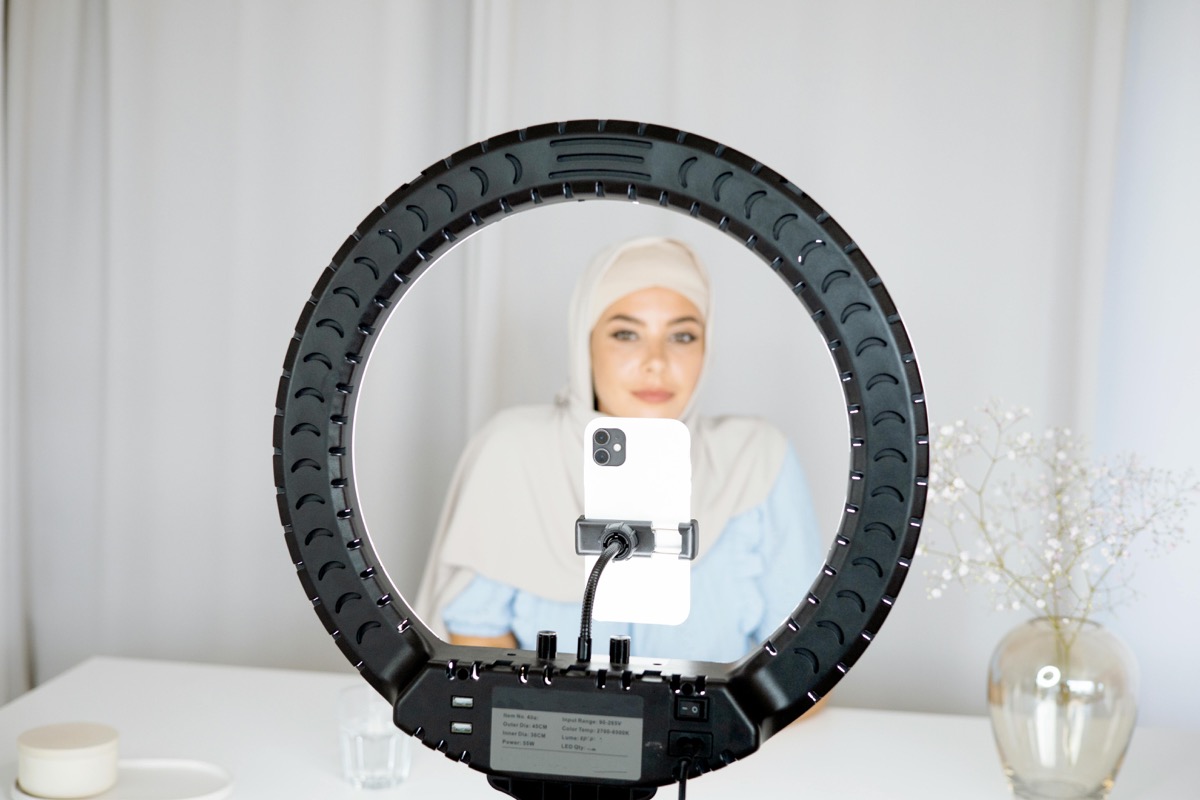
Effective opening frames:
- A surprising visual (unexpected product use, dramatic transformation)
- Bold text overlay ("This changed my skin in 14 days")
- A person looking at camera and speaking directly to the viewer
- A satisfying visual moment (product unboxing, before/after reveal)
Generate text hooks with a hook generator and pair them with strong visual hooks.
Sound-Off Design
85% of Facebook video is watched without sound. Research from Think with Google on video consumption habits confirms that sound-off viewing is the dominant behavior across social platforms. Design for this reality:
- Always include captions — use auto-captions or burned-in text
- Text overlays for key messages — assume the viewer cannot hear anything
- Make the visual tell the story — if you mute the video, the narrative should still be clear
- Test with and without — some audiences (younger demographics, Reels viewers) do watch with sound
Spending hours guessing which hooks will work? Find out what your audience actually responds to — try ConversionStudio's free signal scanner. Takes 3 minutes. Free. No pitch.
Optimal Video Length
| Placement | Optimal Length | Notes |
|---|---|---|
| Feed | 15-30 seconds | Front-load the value |
| Reels | 15-30 seconds | Match organic Reels pacing |
| Stories | 15 seconds | Single card, fast hook |
| In-Stream | 15-60 seconds | Slightly more time, viewer is pre-committed |
Shorter almost always performs better for cold audiences. Save longer-form (45-60 seconds) for retargeting where users already know your brand.
Aspect Ratio
- 9:16 (vertical): Reels, Stories — fills the entire mobile screen
- 1:1 (square): Feed — good middle ground, works on all placements
- 4:5 (portrait): Feed — maximum feed real estate without going full vertical
Always shoot in vertical (9:16) and crop for other formats. Do not letterbox horizontal video in vertical placements — it looks terrible and wastes screen space. Data from Wistia's video marketing research shows that engagement drops sharply when video is not optimized for the viewing environment, reinforcing the importance of native aspect ratios per placement.